
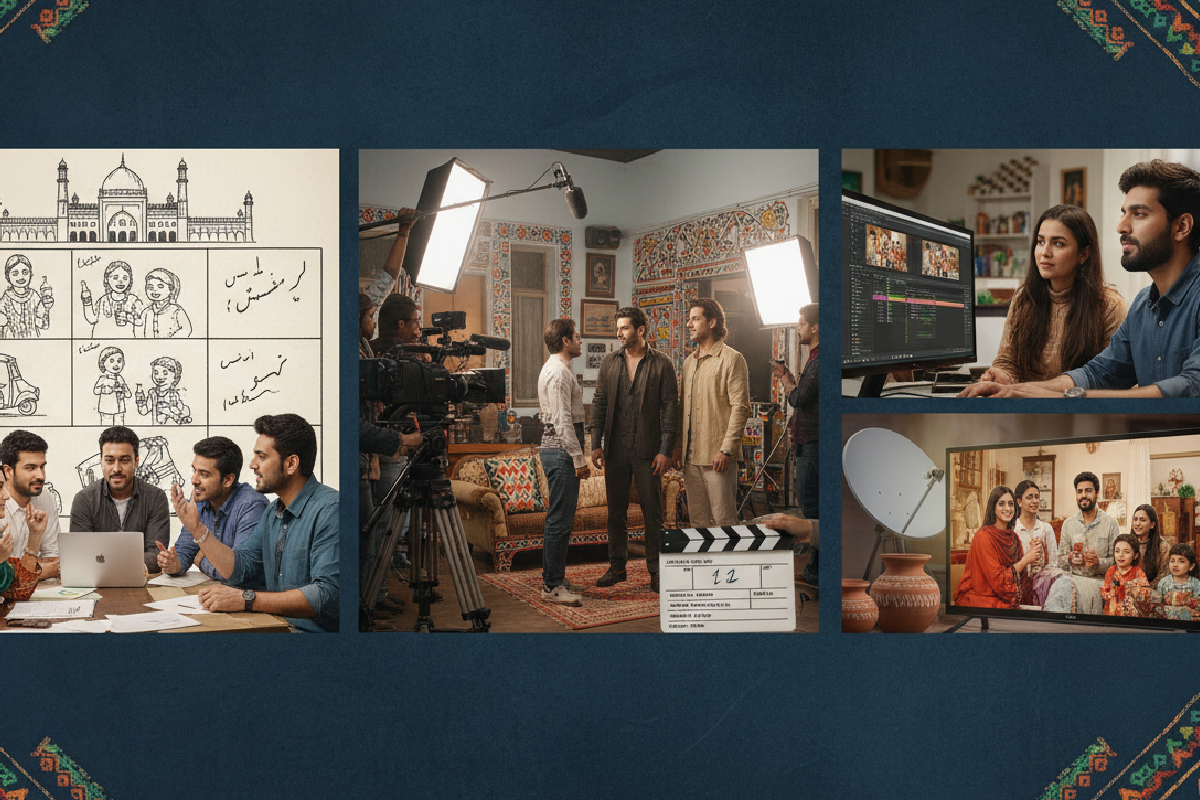
Television commercials remain one of the most powerful advertising tools in the world. Despite the rise of digital media, TV ads still deliver massive reach, credibility, and emotional impact. A well-produced commercial TV ad can build brand awareness, increase sales, and create a lasting impression in just 10 to 60 seconds.
Creating a commercial TV ad is not just about filming a product—it’s about storytelling, strategy, creativity, and technical excellence. In this complete guide, we’ll walk through every step of creating a successful commercial TV ad, from idea to broadcast.
1. What Is a Commercial TV Ad?
A commercial TV ad is a short promotional video broadcast on television to advertise a product, service, brand, or campaign. These ads are carefully designed to:
- Capture attention quickly
- Communicate a clear message
- Influence audience behavior
- Strengthen brand identity
Common TV Ad Durations
- 10 seconds – Teasers or reminders
- 15 seconds – Fast-paced promotional ads
- 30 seconds – Most common and effective
- 45–60 seconds – Story-driven or premium ads
2. Understanding the Purpose of the Ad
Before cameras roll, you must clearly define why you’re making the ad.
Ask these questions:
- What is the goal? (Sales, awareness, launch, promotion)
- Who is the target audience?
- What action should viewers take after watching?
- What emotion should the ad create?
A commercial without a clear objective often fails, no matter how visually impressive it looks.
3. Knowing Your Target Audience
A successful TV ad speaks directly to its audience. Understanding your viewers helps shape the message, tone, visuals, and even the background music.
Consider:
- Age group
- Gender
- Location
- Lifestyle
- Cultural values
- Buying behavior
For example, an ad targeting young audiences will be energetic and trendy, while an ad for families may focus on trust and emotion.
4. Concept Development: The Heart of a TV Ad
This is where creativity begins.
a) Brainstorming Ideas
Strong TV ads usually revolve around:
- A relatable problem and solution
- Emotional storytelling
- Humor
- Aspirational lifestyle
- Strong visual metaphors
b) Choosing the Core Message
Your ad should communicate one clear message. Don’t overload it with information.
Examples:
- “This product saves time”
- “This brand is trustworthy”
- “This service improves your lifestyle”
5. Scriptwriting for Commercial TV Ads
A TV commercial script must be short, sharp, and impactful.
Key Elements of a TV Ad Script
- Hook (first 3–5 seconds): Grab attention instantly
- Main Message: Show the product or service benefit
- Brand Integration: Logo, slogan, or brand name
- Call to Action: What should viewers do next?
Scriptwriting Tips
- Use simple language
- Avoid long dialogues
- Show more, say less
- Match visuals with emotions
Remember: Every second on TV is expensive, so every word and shot must matter.
6. Pre-Production Planning
Pre-production is where professionals separate themselves from amateurs.
a) Storyboarding
A storyboard visually maps each shot. It helps the director, camera crew, and client understand how the ad will look before filming begins.
b) Casting
Choose actors or models that:
- Represent your target audience
- Look natural and relatable
- Can express emotions quickly
c) Location Scouting
Locations should:
- Match the story
- Have good lighting and sound conditions
- Be visually appealing
d) Budget Planning
A TV ad budget usually includes:
- Cast fees
- Equipment
- Crew
- Locations
- Post-production
- Music and voiceover
7. Production: Shooting the TV Commercial
This is where the magic happens 🎥
a) Camera & Visual Quality
TV ads require:
- High-resolution cameras
- Cinematic framing
- Smooth camera movement
Visual quality directly affects brand perception.
b) Lighting
Professional lighting:
- Enhances mood
- Highlights products
- Makes visuals broadcast-ready
Bad lighting can ruin even a great concept.
c) Sound & Audio Recording
Clear audio is critical:
- Dialogue must be crisp
- Background noise must be controlled
- Professional microphones are essential
d) Direction & Performance
Actors must:
- Deliver natural expressions
- Communicate emotion quickly
- Stay consistent across multiple takes
8. Post-Production: Where the Ad Comes Alive
Editing is where raw footage becomes a compelling TV commercial.
a) Video Editing
Editors:
- Select best shots
- Control pacing
- Maintain viewer engagement
TV ads must feel fast, clean, and dynamic.
b) Sound Design & Music
Music sets the emotional tone. It should:
- Match brand personality
- Enhance storytelling
- Not overpower dialogue
c) Voice-Over
Professional voice-over:
- Adds clarity
- Strengthens brand recall
- Improves message delivery
d) Color Grading
Color grading:
- Creates visual consistency
- Enhances mood
- Makes the ad look premium
9. Branding & Call to Action
Your brand must be clearly visible without being overwhelming.
Include:
- Logo placement
- Brand colors
- Tagline or slogan
- Contact info or website
End with a clear call to action, such as:
- “Visit our website”
- “Call now”
- “Available nationwide”
10. Compliance & TV Broadcast Standards
TV ads must meet broadcasting regulations.
Ensure:
- Correct aspect ratio
- Broadcast-safe colors
- Approved durations
- Legal disclaimers if needed
Failing to meet technical standards can delay or reject your ad.
11. Media Planning & Broadcasting
Creating the ad is only half the job. Broadcasting strategy matters just as much.
Consider:
- Which TV channels to choose
- Time slots (prime time vs off-peak)
- Frequency of airing
- Regional vs national coverage
Proper media planning ensures maximum ROI.
12. Measuring the Success of a TV Ad
After broadcasting, evaluate performance using:
- Brand recall
- Increase in sales
- Website traffic
- Customer inquiries
- Market surveys
This helps refine future campaigns.
13. Common Mistakes to Avoid
❌ Weak opening
❌ Too much information
❌ Poor audio quality
❌ Ignoring target audience
❌ Lack of clear message
❌ Overbranding
Avoiding these mistakes can dramatically improve ad effectiveness.
Conclusion
Creating a commercial TV ad is a blend of strategy, creativity, and technical expertise. From idea development and scripting to filming and broadcasting, every step plays a vital role in shaping how audiences perceive a brand.
A successful TV ad doesn’t just sell—it connects, inspires, and builds trust.
Whether you’re launching a new product, growing brand awareness, or strengthening market presence, investing in a professionally crafted TV commercial can deliver long-term value and powerful results