
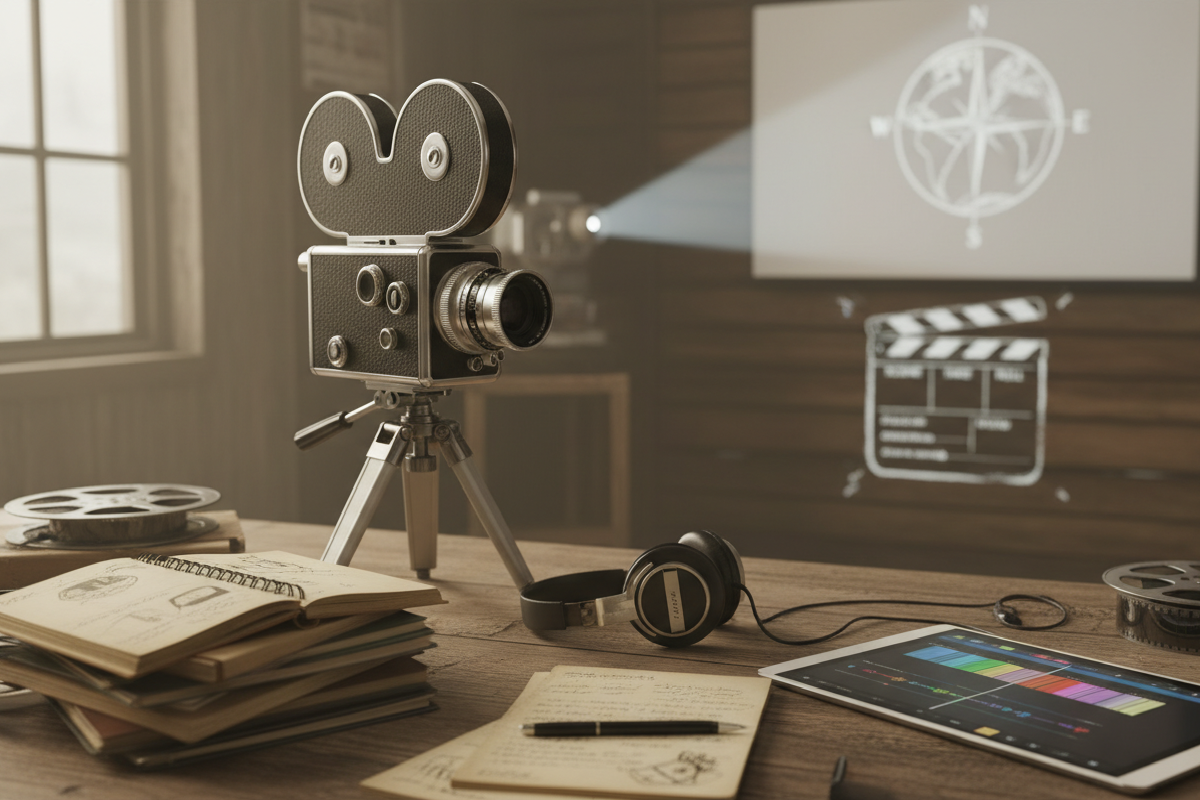
Documentary films are powerful tools for storytelling, education, and social change. They allow filmmakers to explore real-life events, people, or issues, presenting them in a compelling and visually engaging way. Unlike fictional movies, documentaries rely on facts, authentic experiences, and real-world narratives. Whether you are a budding filmmaker, a student, or a professional looking to expand your creative skills, learning how to make a documentary film can open doors to a world of storytelling opportunities.
In this guide, we’ll break down the complete process of making a documentary, step by step, and explain why partnering with The Video Vortex can take your project to the next level.
1. Understanding What a Documentary Film Is
Before you start filming, it’s important to understand what makes a documentary different from other types of films. A documentary is:
- Non-fictional: It presents real events, people, or issues.
- Informative and persuasive: It educates the audience or raises awareness.
- Story-driven: It uses narrative techniques to engage viewers emotionally and intellectually.
Documentaries can take many forms, including:
- Expository: Focused on explaining a topic using interviews, voiceovers, and visuals.
- Observational: Captures events as they happen, with minimal interference from the filmmaker.
- Participatory: Involves the filmmaker actively participating in the story.
- Reflexive: Explores the process of filmmaking itself.
- Poetic: Focuses on mood, tone, and visual storytelling rather than linear narrative.
Knowing your documentary style will guide your production process and help you communicate your story effectively.
2. Choosing Your Topic
The heart of any documentary is its topic. Ask yourself:
- What issue, event, or person am I passionate about?
- Will the topic resonate with audiences?
- Can I access the resources, people, or locations needed to tell this story?
Some tips for choosing a strong topic:
- Focus on subjects that evoke emotion or spark curiosity.
- Choose stories that are underrepresented or unique.
- Ensure you have a clear angle or perspective; avoid making it too broad.
For instance, a documentary about environmental conservation could focus on a single community’s efforts to reduce plastic waste, rather than attempting to cover global pollution in one film.
3. Research: The Foundation of Your Documentary
Research is the backbone of every documentary. A well-researched film adds credibility and depth to your narrative.
Steps for effective research:
- Gather background information: Read books, articles, and reports related to your topic.
- Conduct interviews: Speak with experts, witnesses, or people directly involved.
- Collect archival material: Look for photos, videos, and documents that enhance your story.
- Verify facts: Always double-check information to avoid misinformation.
Remember, the more prepared you are, the smoother your production process will be.
4. Planning and Pre-Production
Once your research is complete, it’s time to plan. Pre-production involves organizing all the elements needed before filming begins.
Key steps in pre-production:
- Write a treatment: A short summary that outlines the story, tone, and style of your documentary.
- Create a storyboard: Visualize your shots to plan camera angles, transitions, and sequences.
- Plan your budget: Include costs for equipment, crew, travel, and post-production.
- Scout locations: Visit filming locations in advance to assess lighting, sound, and logistics.
- Prepare equipment: Decide whether you need cameras, drones, microphones, or lighting setups.
Planning is crucial because it saves time, reduces stress, and ensures you capture all necessary footage efficiently.
5. Filming Your Documentary
Filming is where your vision comes to life. Keep in mind that documentaries require flexibility and adaptability, as real life can be unpredictable.
Tips for successful filming:
- Use high-quality equipment: Clear visuals and crisp audio make your documentary professional.
- Capture B-roll footage: Supplementary shots help illustrate your story and make editing easier.
- Conduct engaging interviews: Ask open-ended questions to get natural, insightful responses.
- Be patient and observant: Some of the best shots happen spontaneously.
- Maintain ethical standards: Respect privacy, obtain consent, and represent your subjects accurately.
Filming is often the most time-consuming part of documentary production, but it’s also the most rewarding.
6. Post-Production: Editing Your Story
Editing is where your documentary truly takes shape. You transform hours of footage into a cohesive, compelling story.
Post-production steps include:
- Organize your footage: Sort clips by scenes, topics, or chronology.
- Select the best shots: Focus on visuals that enhance your narrative.
- Edit for storytelling: Arrange clips to create a logical flow and emotional impact.
- Add sound and music: Background music, narration, and sound effects enhance the viewing experience.
- Incorporate graphics: Titles, subtitles, and animations can clarify information and highlight key points.
- Color grading: Adjust colors to set the mood and ensure visual consistency.
A well-edited documentary keeps viewers engaged from start to finish and conveys your message powerfully.
7. Distribution and Marketing
After your documentary is complete, the next step is sharing it with the world.
Distribution options include:
- Film festivals: Great for exposure and networking with industry professionals.
- Streaming platforms: Platforms like YouTube, Vimeo, or Netflix reach a wide audience.
- Educational institutions: Schools, colleges, and NGOs often screen documentaries for awareness.
- Social media campaigns: Short clips, teasers, or trailers can attract viewers online.
Marketing is essential to ensure your documentary reaches the right audience. Create a press kit, social media posts, and trailers to build interest before the release.
8. Challenges of Making a Documentary
Documentary filmmaking is rewarding but comes with its unique challenges:
- Time-intensive: Research, filming, and editing can take months or even years.
- Budget constraints: High-quality production often requires significant funding.
- Unpredictable circumstances: Real-life events don’t always go as planned.
- Ethical dilemmas: Balancing storytelling with accuracy and fairness can be tricky.
Being prepared for these challenges will help you navigate the process more smoothly.
9. Why Partner with The Video Vortex for Your Documentary
Creating a professional documentary requires expertise, equipment, and creativity. The Video Vortex specializes in high-quality video production, offering comprehensive services to ensure your documentary stands out. Here’s why working with us gives you an edge:
a) Professional Equipment and Crew
We provide state-of-the-art cameras, lighting, and sound equipment, handled by a team of experienced videographers and editors. This ensures every frame of your documentary is visually stunning and professionally captured.
b) End-to-End Production Support
From concept development to final editing, The Video Vortex offers complete production services. Our team assists with scripting, research, storyboarding, filming, and post-production, making the entire process seamless.
c) Creative Storytelling
We don’t just film — we craft stories. Our editors and directors ensure your documentary is emotionally engaging, informative, and memorable. We use cinematic techniques that elevate your project to a professional level.
d) Customizable Packages
Every project is unique. Whether you are a student, NGO, or corporate client, we offer tailored packages to suit your budget and requirements.
e) Distribution Assistance
Beyond production, we guide you in distributing your documentary effectively. From festival submissions to online streaming strategies, we help your story reach the right audience.
f) Local Expertise in Multan and Beyond
Being based in Multan, The Video Vortex understands the local culture, stories, and challenges, ensuring authenticity and relatability in your documentary.
Partnering with The Video Vortex transforms your vision into a professionally executed documentary that educates, entertains, and inspires.
10. Tips for Aspiring Documentary Filmmakers
Here are some practical tips to keep in mind:
- Watch documentaries: Learn from different styles and techniques.
- Focus on storytelling: Facts are important, but a compelling narrative keeps viewers engaged.
- Be flexible: Real-life events may change; adapt your approach as needed.
- Network with other filmmakers: Collaborations can open new opportunities and insights.
- Practice ethical filmmaking: Always respect your subjects and maintain credibility.
Conclusion
Making a documentary film is a challenging yet rewarding journey. It allows you to explore real stories, raise awareness, and connect with audiences on a deeper level. From research and pre-production to filming and post-production, each step requires careful planning, creativity, and dedication.
By partnering with The Video Vortex, you gain access to professional equipment, expert guidance, and end-to-end support that ensures your documentary achieves its full potential. Whether you are capturing local stories in Multan or tackling global issues, we bring innovation and imagination to every frame.
Start your documentary journey today, and let The Video Vortex help you turn real stories into unforgettable cinematic experiences.